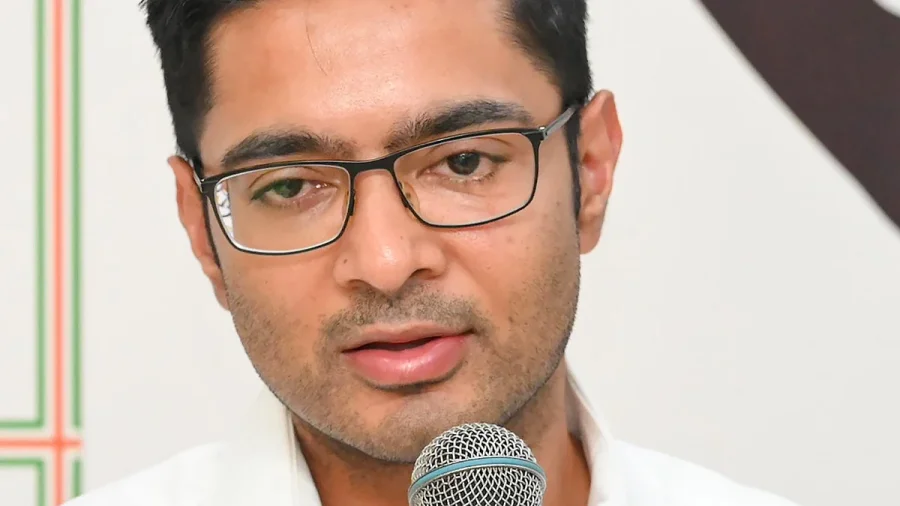
The political temperature in West Bengal just shot up a few degrees. Trinamool Congress (TMC) national general secretary and MP Abhishek Banerjee has skipped a summons from the state's Criminal Investigation Department (CID) in a probe into alleged signature mismatches involving party legislators. Instead of appearing before the agency on Monday, he has sought more time, citing health issues following an alleged attack. This isn't just a routine legal notice — it's a flashpoint in an already charged political atmosphere, and the implications could ripple far beyond a single investigation.
What Exactly Is the Signature-Mismatch Probe About?
The West Bengal CID is investigating alleged discrepancies in signatures on a resolution related to key appointments in the Trinamool Congress legislative wing in the West Bengal Assembly. The probe focuses on whether signatures were forged or mismatched, potentially to manipulate internal party decisions. Abhishek Banerjee, as a senior party leader, has been called in to provide his version of events and cooperate with the investigation.
Why This Matters Right Now
This is not just about one summons. It's about the credibility of a key opposition figure in a state where political battles are fought fiercely. The outcome of this probe could influence public perception, legal proceedings, and even the political landscape ahead of future elections. For the average citizen, it raises questions about accountability, transparency, and the use of state agencies in political disputes. The emotional weight here is heavy — trust in institutions and leaders is on the line.
How the Incident Unfolded
According to party sources, Abhishek Banerjee was summoned to appear before the CID on Monday after the agency issued a notice seeking his cooperation. However, Banerjee informed the CID that he is still recovering from injuries allegedly sustained on 30 May while travelling to Sonarpur to meet the family of a party worker. The alleged attack has been a point of contention, with the TMC claiming it was politically motivated. Banerjee's legal team has formally requested additional time, citing his physical condition as the primary reason for not appearing.
Who Is Affected and What Officials Are Saying
The immediate impact is on Abhishek Banerjee himself, who now faces potential legal consequences for non-compliance. But the ripple effect extends to the TMC, which sees this as a politically motivated move by the state's ruling party, the BJP. CID officials have stated that the investigation is ongoing and that they expect Banerjee to cooperate. "The summons was issued as part of a routine investigation. We have received his request for more time and will review it," a CID source said, speaking on condition of anonymity.
What We Know So Far — and What Remains Unclear
What we know: The CID has summoned Abhishek Banerjee in connection with a signature-mismatch probe. He has not appeared, citing health issues after an alleged attack. The investigation involves party legislators and internal party resolutions.
What remains unclear: The exact nature of the signature discrepancies, whether any forgery actually occurred, and the timeline for Banerjee's eventual appearance. Also unclear is whether the CID will take any coercive action if he continues to delay.
Risks, Concerns, and the Balanced View
From a legal perspective, skipping a summons can lead to a warrant being issued, though courts often grant leniency for genuine health reasons. Politically, the TMC is framing this as a witch-hunt, while the BJP sees it as a test of accountability. Critics argue that such probes can be weaponized against political opponents, while supporters say no one is above the law. The balanced view is that while the investigation must proceed, it should do so without political interference or undue pressure.
Why Similar Trends Are Growing in Indian Politics
This case is part of a broader pattern where state agencies are increasingly used to investigate political figures. From the Enforcement Directorate to the CBI, probes have become a common tool in political warfare. The signature-mismatch case fits into this narrative, raising concerns about the independence of investigative bodies. As political rivalries intensify, such cases are likely to become more frequent, testing the resilience of India's democratic institutions.
- The CID probe involves alleged signature mismatches on a resolution for key appointments in the TMC legislative wing.
- Abhishek Banerjee's alleged attack on May 30 is cited as the reason for seeking more time.
- The TMC has accused the BJP of using state agencies to target opposition leaders.
"His physical condition is still not stable. He has requested the CID to give him some more time to recover before appearing." — TMC party source
What Readers, Users, or Investors Should Know Now
For those following Indian politics, this is a story to watch. The legal proceedings could set a precedent for how such summons are handled. For the general public, it's a reminder of the importance of due process and the need for impartial investigations. If you're a voter, consider how this case reflects on the broader political climate in West Bengal and beyond.
What Could Happen Next
The CID is likely to review Banerjee's request and may grant him additional time. If he continues to delay, the agency could approach a court for a warrant. Politically, the TMC will likely use this to rally support, while the BJP will push for a swift investigation. The case could also escalate into a larger legal battle, with implications for party leadership and internal democracy.
Our Take: Why This Story Matters Beyond One Incident
This isn't just about Abhishek Banerjee or a signature mismatch. It's about the health of India's political system. When state agencies are perceived as tools of political vendetta, public trust erodes. Conversely, when investigations are thorough and impartial, they strengthen democracy. This case is a litmus test for both the CID and the TMC. How it unfolds will send a signal about the state of political accountability in India.
FAQs
Why did Abhishek Banerjee skip the CID summons?
Abhishek Banerjee skipped the CID summons citing health issues after an alleged attack on May 30. He has sought more time to appear before the agency.
What is the signature-mismatch probe about?
The West Bengal CID is investigating alleged discrepancies in signatures on a resolution related to key appointments in the TMC legislative wing in the West Bengal Assembly.
What happens if Abhishek Banerjee doesn't appear before the CID?
If he continues to delay, the CID could approach a court for a warrant. However, courts often grant leniency for genuine health reasons.
Is this probe politically motivated?
The TMC claims it is politically motivated, while the BJP says it's a routine investigation. The balanced view is that the probe should proceed without political interference.