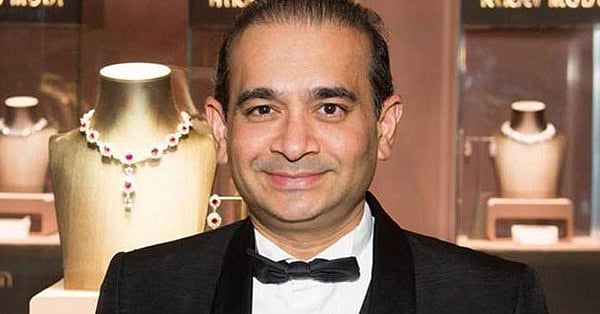
Fugitive businessman Nirav Modi lost his final legal attempt to stall his return to India on 26 March 2026 after the UK High Court accepted New Delhi's safety guarantees. The ruling clears the path for the Central Bureau of Investigation to extradite Modi for the Punjab National Bank fraud involving Rs 13,000 crore.
UK High Court judges confirm India provided credible safety guarantees for Nirav Modi
Lord Justice Stuart Smith and Justice Jay rejected the application to reopen the extradition case during a hearing in London. The bench stated that the formal assurances provided by the Government of India were sufficient to address any concerns regarding the businessman's treatment in custody. The judges noted that the case would have been reopened if not for the specific and credible statements made by Indian authorities.
The court highlighted that the assurances were not vague or general but were issued by officials competent to bind the Indian government. These legal guarantees carry significant diplomatic weight between the two nations. The judges remarked that any breach of these promises would severely damage the trust and future judicial cooperation between India and the United Kingdom.
The Central Bureau of Investigation (CBI) successfully argued that the legal process had already reached a conclusion. The agency opposed the plea, maintaining that the fugitive had exhausted his standard appeal routes. This decision reinforces the earlier rulings that found no legal barrier to sending the diamond merchant back to Mumbai to face trial.
The legal battle that began with a midnight arrest in London
Modi has remained in a UK prison since his arrest in March 2019 after he was spotted in the Holborn area of London. The Indian government launched extradition proceedings immediately after his location was confirmed. Multiple courts in the UK have scrutinized the evidence provided by the Enforcement Directorate and the CBI over the last seven years.
The core of the case involves allegations that Modi and his associates used fraudulent Letters of Undertaking to siphon funds from the state-run Punjab National Bank. Indian investigators claim the scam caused a loss of approximately Rs 13,000 crore to the banking system. Modi fled India in early 2018, just weeks before the scale of the financial irregularities became public knowledge.
Previous appeals by the businessman focused on his mental health and the allegedly poor conditions of Indian prisons. Every major UK court, including the Supreme Court, has previously declined to block the extradition. The latest attempt to reopen the case relied on a separate ruling involving another fugitive, Sanjay Bhandari, which had raised fresh questions about Indian jail standards.
Why the ruling impacts India's pursuit of high-profile financial fugitives
Indian authorities now have a clear legal precedent to cite when pursuing other high-profile individuals hiding in the United Kingdom. The court's acceptance of "sovereign assurances" means that detailed prison plans provided by India are viewed as legally binding and reliable by British judges. This reduces the ability of fugitives to use jail conditions as a primary defense against being sent home.
The ruling directly affects the Central Bureau of Investigation and the Enforcement Directorate, who have faced long delays in bringing financial accused back to Indian soil. By validating the Arthur Road Jail plan, the UK court has signaled that India's specialized prison units meet international human rights standards. This outcome is likely to accelerate other pending extradition requests currently stuck in the British legal system.
Arthur Road Jail preparations and immediate changes for the accused
The Government of India has committed to housing Modi in a specific cell at the Arthur Road Jail in Mumbai. This facility has been upgraded to meet the requirements discussed during the lengthy extradition hearings. The plan includes 24-hour security, regular medical check-ups, and guaranteed access to legal counsel as the trial begins.
Specific changes confirmed by the Indian government include:
- A dedicated cell with adequate natural light and ventilation to meet international detention standards.
- Access to specialized medical care and psychiatric support as requested by the UK courts during the health assessment phase.
- Strict security protocols to ensure the safety of the high-profile prisoner during transit between the jail and the special CBI court.
- Provision for regular visits from legal representatives to prepare for the upcoming fraud and money laundering trials.
The Mumbai prison authorities have already cleared the designated barrack for the arrival. These preparations ensure that the trial can proceed without further delays once the physical handover takes place. The court's rejection of the "torture" argument means that no further modifications to the detention plan are required by the UK judiciary.
How diplomatic assurances overcome legal concerns about Indian prison conditions
Extradition law often hinges on whether the receiving country can guarantee the human rights of the accused. In this case, the UK High Court used the "quality of assurances" as the deciding factor. A sovereign assurance is a formal promise between governments that a citizen will be treated according to specific standards, which overrides general concerns about a country's prison system.
The judges compared this case to the Sanjay Bhandari judgment, where concerns about Indian detainees were highlighted. They concluded that because India provided a bespoke, detailed plan for Modi, the general risks did not apply to him. The court found no "real risk" of ill-treatment or torture during his stay in Mumbai or during his transport to court hearings.
No independent expert commentary was available in the source material for this article. The ruling relied entirely on the judicial interpretation of the documents submitted by the Government of India and the counter-arguments presented by Modi's legal team.
The final steps in the extradition process
The UK Home Office is expected to coordinate with the Indian Ministry of External Affairs to finalize the logistics of the transfer. Since the High Court has refused to reopen the case, the legal stay on his removal is effectively lifted. A team from the CBI and the Mumbai Police will likely travel to London to take custody of the businessman.
No specific date for the flight has been confirmed, as the handover involves complex security arrangements between Scotland Yard and Indian agencies. The businessman remains in custody at Wandsworth Prison in south-west London until the final paperwork is signed. Once he reaches Mumbai, he will be produced before a special court to face the charges filed against him years ago.
Key Numbers and Facts
The confirmed figures behind this story at a glance.
Key FactDetail Main person or organisationNirav Modi Main action or decisionRejection of plea to reopen extradition case Date of event26 March 2026 LocationUK High Court, London Amount, figure, or scaleRs 13,000 crore fraud Previous statusAppealing extradition on human rights grounds Current statusFinal appeal rejected Primary effectPath cleared for physical extradition to India Next confirmed stepLogistical coordination for transfer to MumbaiThe one takeaway the reader should remember
The UK High Court has established that specific, high-level diplomatic guarantees from India can override general human rights concerns in extradition cases. This ruling ends years of legal uncertainty for the PNB fraud investigation and sets a firm precedent for how India must document its prison conditions to win international legal battles. The focus now shifts from the courtrooms of London to the high-security barracks of Mumbai as India prepares for one of its most significant financial trials.
Frequently Asked Questions
Will Nirav Modi be extradited to India now?
Yes, the extradition is expected to proceed after the UK High Court refused to reopen his case. This ruling removes the last major legal obstacle, allowing the UK government to coordinate his transfer to Indian authorities. He will be flown to Mumbai to face charges related to the Punjab National Bank fraud.
What was the main reason the UK court rejected his plea?
The court rejected the plea because it found the "quality of assurances" provided by the Indian government to be credible and specific. The judges stated that India's detailed plan for his detention in Arthur Road Jail addressed all concerns regarding his safety and medical care. They ruled there was no real risk of torture or ill-treatment.
Which jail will Nirav Modi stay in when he returns to Mumbai?
Nirav Modi will be lodged in the Arthur Road Jail in Mumbai, as per the formal agreement between the Indian and UK governments. The Indian government has submitted a detailed security and medical plan for his stay in a specific barrack. This facility has been prepared to meet the international standards required by the UK judiciary.