Summary
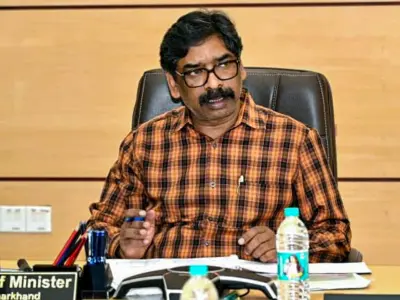
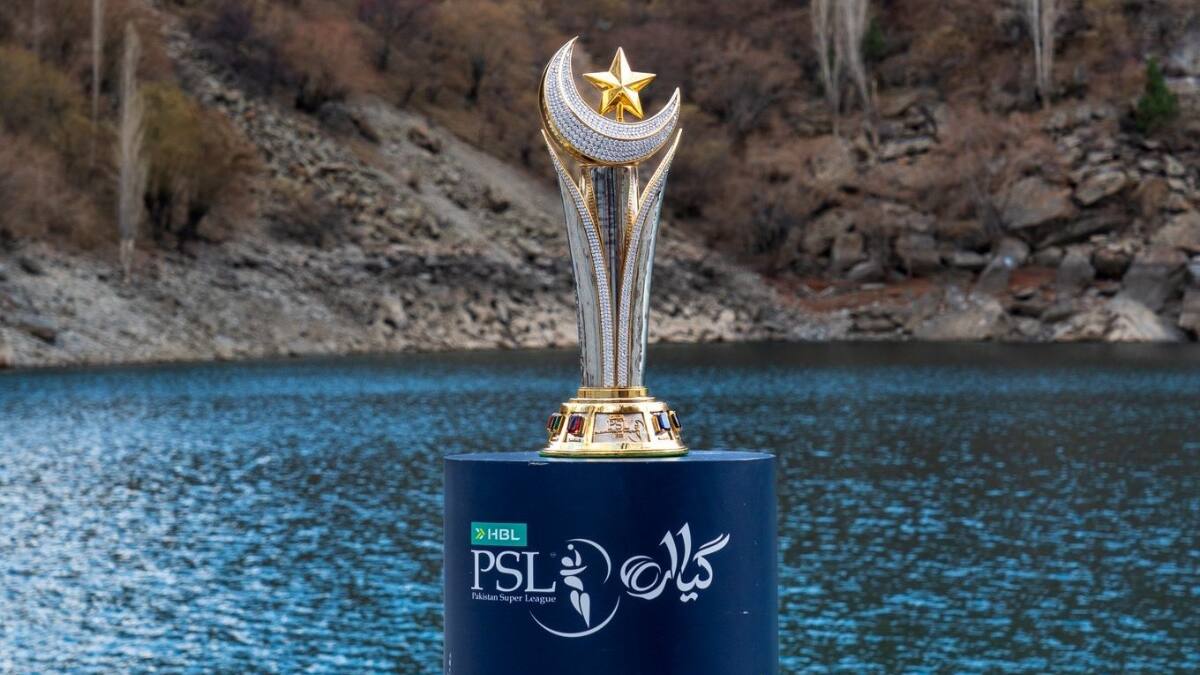
Pakistan Cricket Board Chairman Mohsin Naqvi announced on March 22, 2026, that the Pakistan Super League (PSL) will proceed without fans in the stadiums. The tournament begins on March 26 but will only use two venues instead of the planned six to save fuel and resources during the ongoing conflict in West Asia. This decision aims to keep the league on schedule while helping the government manage tight energy supplies.
Question Answer Who took the action? Mohsin Naqvi and the PCB What happened? Fans banned and venues reduced When did it happen? Announcement on March 22, 2026 How much changed? Venues cut from 6 to 2 Why does it matter? Conserves fuel during Gulf war Who is affected? Fans, franchises, and players What was the earlier level? Full crowds at 6 venues What happens next? New schedule releaseMain Impact
The most immediate effect of this decision is the total absence of spectators for one of the biggest sporting events in the country. By closing the gates to fans, the Pakistan Cricket Board (PCB) is trying to lower the demand for transport and electricity at a time when the nation is facing a resource crisis. This move changes the atmosphere of the matches from a loud, national celebration to a strictly televised event.
Limiting the tournament to just Lahore and Karachi also has a major impact on local economies in other cities. Peshawar, Multan, Rawalpindi, and Faisalabad will no longer host games. This means local businesses, hotels, and vendors in those areas will lose the income they expected from the tournament. The decision shows how much the regional war in the Gulf is affecting daily life and sports in Pakistan.
Key Details
What Happened
The PCB held a long meeting with the eight team owners and Prime Minister Shahbaz Sharif to decide the fate of the league. They agreed that the tournament must start on March 26 to protect its reputation and because there is no other time in the year to play it. However, the scale of the event had to be cut back. The opening ceremony, which usually features big stars and light shows, is now cancelled to save money and energy.
Travel has become a major worry. Moving teams, staff, and equipment between six different cities requires a lot of petrol. By staying in only two cities, the league can cut down on flights and bus trips. The government is currently regulating fuel very strictly, so the cricket board had to show it was being responsible with national resources.
Important Numbers and Facts
The following table outlines the specific changes made to the tournament structure and the reasons behind them.
Key Fact Value Main person or group Mohsin Naqvi (PCB) Main action Banning fans and cutting venues Date or period Starts March 26, 2026 Amount or figure 2 venues remaining Previous level 6 venues planned Current level 0 spectators allowed Main effect Fuel and resource saving Next step Legal action against deserting playersBackground and Context
Pakistan often deals with energy shortages, but the current conflict in West Asia has made the situation much worse. Because the country relies on imported oil and gas from the Gulf region, any war there leads to higher prices and lower supply. The government has had to put limits on how much fuel can be used for non-essential activities. While cricket is very popular, the authorities decided that moving thousands of people across the country for matches was not possible right now.
The PSL has faced many challenges in the past, including security concerns and the pandemic. This time, the problem is purely logistical and economic. The league is a major source of pride for the country, and the PCB is desperate to make sure it happens, even if the stadiums are empty. They believe that cancelling the season entirely would hurt the league's standing with international sponsors and broadcasters.
Public or Industry Reaction
Mohsin Naqvi offered a public apology to the people of Peshawar. This was supposed to be the first time the city hosted PSL matches, and local fans were very excited. The disappointment in Peshawar and other dropped cities is high. Fans feel they are missing out on a rare chance to see their heroes in person.
Within the cricket industry, there is tension regarding player availability. Some international players, especially those from Australia, have found it hard to travel through the Gulf region to reach Pakistan. At the same time, some players have chosen to leave their PSL teams to join the Indian Premier League (IPL) for more money. Naqvi has reacted strongly to this, stating that the board will take legal action against players like Blessing Muzarabani and Dasun Shanaka who broke their PSL commitments. The franchises are also worried about money, but the PCB has promised to pay them back for the ticket sales they will lose.
What This Means Going Forward
The success of this season now depends on how well the two-city model works. If the fuel crisis continues, the PCB might have to keep these restrictions in place for the entire tournament. There is also the risk that more international players might decide to leave if they feel the situation is too unstable or if they get better offers from other leagues. The legal threats from the PCB show that the board is trying to take a hard line to protect its contracts.
In the long term, this event might change how the PSL plans its future seasons. The board may look for ways to make the league less dependent on long-distance travel. For now, the focus is simply on getting through the next few weeks without any major interruptions. The empty stadiums will be a reminder of the difficult economic times the country is facing.
Final Take
The decision to play behind closed doors shows that even the most popular sports must sometimes step aside for national needs during a crisis. While the lack of fans will hurt the energy of the games, keeping the league alive is a choice to prioritize the long-term health of Pakistan cricket over short-term excitement.
Frequently Asked Questions
Why are there no fans allowed at the PSL matches?
Fans are not allowed because the government needs to save fuel and resources during the conflict in West Asia. Closing the matches to the public reduces the need for transport and extra energy use at the stadiums.
Which cities will still host PSL games?
Only Lahore and Karachi will host matches this season. The games originally planned for Peshawar, Multan, Rawalpindi, and Faisalabad have been moved to these two cities to limit travel.
What happens to the players who left for the IPL?
PCB Chairman Mohsin Naqvi has threatened legal action against players who abandoned their PSL contracts. He wants to ensure that players respect their agreements with Pakistani teams even if they receive higher offers elsewhere.