

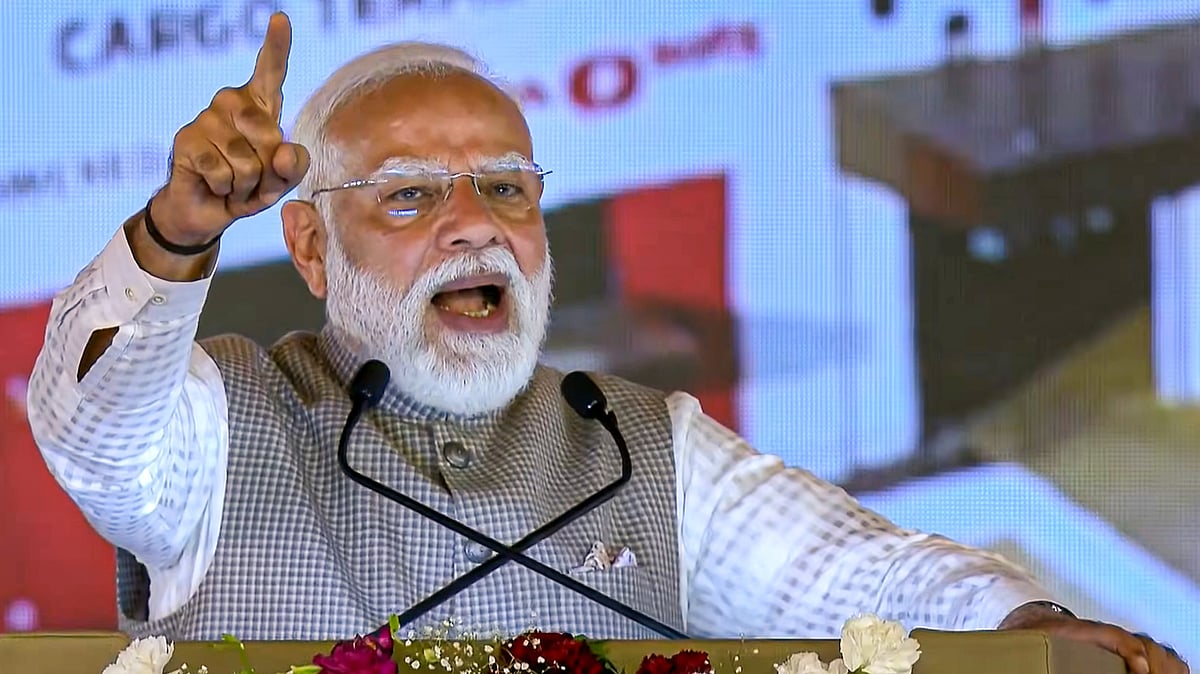
The Indian National Congress on 29 March 2026 termed Prime Minister Narendra Modi a "Vishwaphoney," alleging that Pakistan’s emergence as a West Asia mediator marks a significant diplomatic failure for India despite the recent military success of Operation Sindoor.
Congress Challenges Government Narrative on Regional Diplomatic Influence
Congress General Secretary Jairam Ramesh launched a pointed critique on Sunday, asserting that Pakistan’s transition into a regional "dalaal" (broker) reflects a collapse of India’s narrative management. The opposition party argued that while India celebrated the military outcomes of Operation Sindoor, its neighbor has successfully maneuvered back into the global diplomatic fold as a facilitator between Iran and Israel.
The criticism follows an all-party meeting where the Union Government briefed leaders on the volatile West Asia situation. During that briefing, External Affairs Minister S. Jaishankar reportedly dismissed Pakistan’s role as a historical anomaly, stating that India is "not a dalaal nation." However, the Congress maintains that the mere perception of Pakistan as a peace facilitator constitutes a "damning indictment" of the current administration's foreign policy.
Ramesh highlighted that Pakistan, once isolated following the 2008 Mumbai terror attacks, is now engaging in high-level quadrilateral discussions with Saudi Arabia, Egypt, and Turkiye. This shift, according to the Congress, suggests that India’s "personality-driven" diplomacy has failed to secure the expected strategic leverage on the world stage.
The Shift from Global Isolation to Regional Mediation
Prior to this development, Indian foreign policy had focused heavily on the international isolation of Pakistan, citing its history as a haven for terror groups. This strategy appeared bolstered by high-profile events such as "Howdy Modi" in Houston and "Namaste Trump" in Ahmedabad, which were designed to showcase India’s growing proximity to Washington and its status as a "Vishwaguru" (global teacher).
The situation changed following the military engagement known as Operation Sindoor. While the government framed the operation as a definitive victory, the Congress now argues that the diplomatic aftermath has seen Pakistan regain relevance. By positioning itself as a mediator in the Iran-Israel conflict, Islamabad has secured a seat at tables from which it was previously excluded, leveraging its long-standing ties with both the United States and regional Islamic powers.
Strategic Implications for India’s ‘Link West’ Policy
The primary group affected by this diplomatic shift is India’s strategic establishment, which now faces a resurgent Pakistan in the West Asian theatre. Indian businesses with interests in the Gulf and energy security experts are also monitoring the situation, as any shift in mediation dynamics could alter India’s influence in a region where it has invested heavily through the "Link West" policy.
Secondary impact is felt by the Indian electorate, as the Congress uses this development to challenge the government’s core "strongman" image. By contrasting military success with what they term "diplomatic failure," the opposition seeks to decouple tactical battlefield gains from long-term strategic influence.
What Changes for India’s Diplomatic Positioning
The emergence of Pakistan as a mediator signals a departure from the post-2008 status quo where India was the sole dominant regional voice in global forums. The following changes are now evident in the regional landscape:
- Re-entry of Pakistan: Islamabad is no longer viewed exclusively through the lens of terror-export, but as a functional diplomatic channel for West Asian de-escalation.
- Quadrilateral Engagement: The formation of a Saudi-Egypt-Turkiye-Pakistan bloc creates a new diplomatic axis that India must navigate.
- US-Pakistan Dynamics: The historical reliance of the United States on Pakistan for regional logistics and mediation appears to have been reactivated despite India’s bilateral efforts with Washington.
These developments force a recalibration of India’s narrative, moving from a policy of total isolation of its neighbor to one of competing for diplomatic mindshare in neutral territories.
How Mediation Roles Impact Regional Power Balances
Diplomatic mediation works by providing a "neutral" ground for warring or hostile parties to communicate without direct loss of face. Pakistan’s ability to host foreign ministers from Saudi Arabia and Egypt suggests it is utilizing its economic dependence on these nations to offer itself as a strategic asset. This "broker" role provides Pakistan with a "lifeline" that extends beyond financial aid from the IMF, granting it political capital.
The risk for India lies in the potential "unravelling" of its narrative that Pakistan is a pariah state. If global powers continue to use Islamabad as a bridge to Tehran or Tel Aviv, India’s efforts to keep the focus on cross-border terrorism may lose momentum in international forums. No independent expert commentary was available in the source material for this article.
Confirmed Next Steps in Regional Diplomacy
Pakistan has confirmed it will continue its quadrilateral engagement, with Prime Minister Shehbaz Sharif recently holding direct talks with Iranian President Masoud Pezeshkian. While the Indian government has not formally responded to the "Vishwaphoney" jibe, the Ministry of External Affairs is expected to continue its own independent outreach to West Asian partners to maintain its strategic footprint. No further confirmed next step was specified in the source material.
Diplomatic Engagement: West Asia Crisis Figures at a Glance
The following table summarizes the key entities and actions involved in the current diplomatic dispute as of 29 March 2026.
Key Fact Detail Main Critic Jairam Ramesh, Congress General Secretary Main Subject PM Narendra Modi's Foreign Policy Date of Criticism 29 March 2026 Central Event Pakistan acting as mediator in West Asia conflict Military Context Post-Operation Sindoor success Previous Status Pakistan isolated globally after 2008 attacks Current Status Pakistan hosting Saudi, Egypt, and Turkiye ministers Primary Effect Challenge to India's "Vishwaguru" narrative Next Confirmed Step Continued quadrilateral meetings by Pakistan
What to Watch in India’s Response to the Quadrilateral Bloc
Readers should watch for whether India attempts to join or counter the new quadrilateral grouping of Saudi Arabia, Egypt, Turkiye, and Pakistan. If India remains outside this specific mediation track, it may signal a shift toward a more unilateral or "minilateral" approach with Israel and the UAE, potentially deepening the divide in West Asian diplomatic efforts.
A concrete practical observation for the reader is that the "Vishwaphoney" vs "Vishwaguru" debate will likely become a central theme in upcoming domestic political discourse, linking foreign policy outcomes directly to national pride and government performance.
Your Questions About the West Asia Diplomatic Crisis Answered
What is the 'Vishwaphoney' comment made by Congress?
The term was used by Jairam Ramesh to mock the Prime Minister's "Vishwaguru" (global leader) image, suggesting that India's foreign policy has failed to prevent Pakistan from gaining diplomatic relevance in West Asia.
Why is Pakistan mediating in the West Asia conflict?
Pakistan is leveraging its historical ties with the US and its religious and economic links with Saudi Arabia and Iran to act as a facilitator for de-escalation in the ongoing Iran-Israel conflict.
What was Operation Sindoor mentioned in the report?
Operation Sindoor refers to a recent military action by India; while the source describes it as a success, the Congress argues that this military gain has not been converted into lasting diplomatic dominance over Pakistan.
How has the Indian government responded to these allegations?
The ruling government has not issued a formal response to the latest "Vishwaphoney" attack, though External Affairs Minister S. Jaishankar previously stated that India does not seek to be a "broker" or "dalaal" nation.
