
Summary
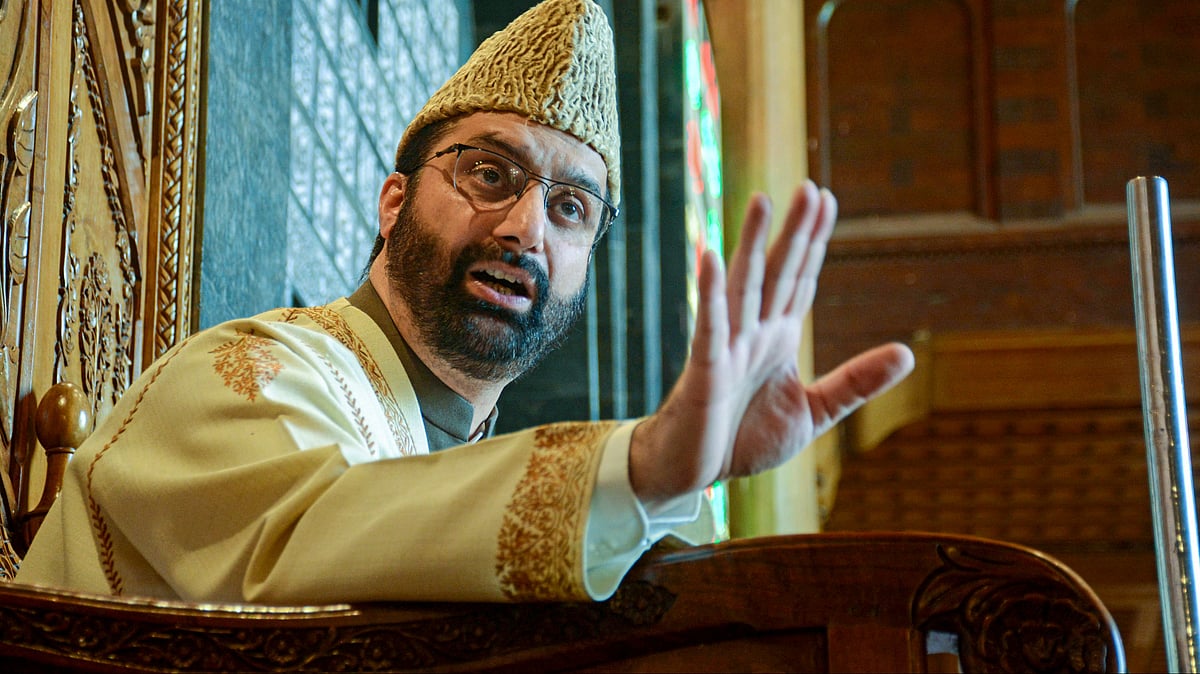
Mirwaiz Umar Farooq, the chief religious leader of Kashmir, has reported that he was placed under house arrest for the third Friday in a row. This action prevented him from leading the important Friday prayers at the Jamia Masjid in Srinagar during the holy month of Ramadan. The Mirwaiz stated that security forces blocked his home with vehicles and wire, even though no official legal order was given for his detention. This situation highlights the ongoing tension between local religious leaders and the government regarding security and religious freedom.
Main Impact
The primary impact of these restrictions is the disruption of religious life for thousands of people in Srinagar. The Jamia Masjid is the largest and most significant mosque in the city, and the Friday sermon given by the Mirwaiz is a central part of the week for many worshippers. By keeping the leader at home, the authorities have effectively silenced a major religious voice during Ramadan, which is the most sacred time of the year for Muslims. This move has caused frustration among the local population and raised concerns about the state of religious liberty in the region.
Key Details
What Happened
On Friday, Mirwaiz Umar Farooq used social media to inform the public that he was unable to leave his house in the Nigeen area of Srinagar. He explained that security forces had set up barricades and used concertina wire to block the lanes leading to his residence. According to his statement, police vehicles were parked in a way that prevented any movement in or out of his home. He described these measures as a way to stop him from reaching the Jamia Masjid to address the people gathered there for prayers.
Important Numbers and Facts
This marks the third consecutive week during the current month of Ramadan that the Mirwaiz has been restricted. While the government has not released a formal statement on this specific incident, such actions have become common over the last few years. Since the special status of Jammu and Kashmir was removed in August 2019, the Mirwaiz has spent a significant amount of time under various forms of detention or house arrest. The Jamia Masjid itself has also faced periods of closure or restricted access during times of political sensitivity.
Background and Context
To understand why the Mirwaiz is often restricted, it is important to look at his dual role in Kashmir. He is the spiritual head of the region’s Muslims, but he is also a political figure who has led groups seeking more autonomy for Kashmir. The central government in India views many of these leaders as a threat to national security. Since 2019, the government has taken a very strict approach to maintaining order in the region. They often use house arrests and communication blocks to prevent large crowds from gathering, fearing that religious meetings could turn into political protests.
Public or Industry Reaction
The reaction to these restrictions has been largely negative among local religious and social groups. The Anjuman Auqaf Jamia Masjid, which manages the mosque, has criticized the government’s actions as a violation of the right to worship. They argue that these measures hurt the religious feelings of the community and create a sense of unease. On the other hand, supporters of the government’s security policies believe that these steps are necessary. They argue that preventing potential unrest is more important than allowing public figures to speak to large crowds in a region that has a history of violence and protests.
What This Means Going Forward
The repeated house arrests suggest that the government is not yet ready to allow full freedom of movement for influential leaders in Kashmir. As Ramadan continues and the festival of Eid approaches, there will be more pressure on the authorities to allow the Mirwaiz to lead prayers. If the restrictions continue, it could lead to more tension between the public and the security forces. The situation shows that the government is still prioritizing strict control over the region, even as they claim that things are returning to normal in Kashmir.
Final Take
The ongoing restrictions on Mirwaiz Umar Farooq show how difficult it is to balance security needs with the basic rights of citizens. While the government aims to keep the peace, the repeated use of house arrest without formal charges creates a gap between the people and the administration. For the residents of Srinagar, the inability to hear their religious leader during the holiest month of the year remains a deeply felt grievance that highlights the complex reality of life in the region today.
Frequently Asked Questions
Why was the Mirwaiz stopped from going to the mosque?
He alleges that security forces blocked his home with barricades and wire to prevent him from leading Friday prayers, likely to avoid large public gatherings that could lead to protests.
Is there a legal order for his house arrest?
The Mirwaiz stated that no formal or written order was issued by the government, but police forces physically restricted his movement at his residence.
How long has this been happening?
The Mirwaiz has faced frequent house arrests and movement restrictions for several years, particularly since the changes to Kashmir's political status in 2019.