Summary
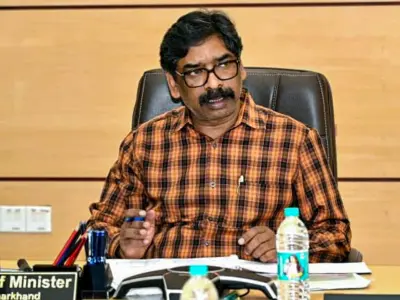
The Karnataka government has announced the introduction of a home-based palliative care program modeled after Kerala’s community-led system. This initiative, included in the state’s latest budget, will be implemented in partnership with the non-profit organization Pallium India. By shifting the focus from hospital-based treatment to home-based support, the policy aims to provide pain relief and emotional guidance to patients with terminal or chronic illnesses. This decision marks a substantial shift in how the state intends to manage the growing burden of incurable diseases and an aging population.
Question Answer Who took the action?Karnataka State Government What happened?Budget announcement to adopt Kerala-style palliative care When did it happen?March 2026 Budget Session How much changed?Shift from hospital-only care to home-based community care Why does it matter?Addresses suffering for patients who cannot be cured Who is affected?Terminal patients, elderly, and their families in Karnataka What was the earlier level or status?Limited organized palliative care outside of Kerala What happens next?Implementation through Pallium India and local health networks
What Happened
Karnataka has officially committed to integrating palliative care into its public health framework. The state plans to replicate a model that originated in Kozhikode, Kerala, over thirty years ago. This approach prioritizes bringing medical and emotional support directly to the doorsteps of patients who have exhausted curative options. The program will be developed alongside Pallium India, an organization led by Dr. M.R. Rajagopal, who was instrumental in building the original Kerala movement.
The roots of this model trace back to 1993, when a small group of doctors at Kozhikode Medical College noticed that patients with advanced illnesses were often discharged with no support for pain management. What began as a modest clinic funded by doctors' personal contributions evolved into the Neighborhood Network in Palliative Care in 1999. This network moved care out of the hospital and into the community, training local volunteers to assist medical teams. By 2008, Kerala became the first state in India to establish a formal palliative care policy, a path Karnataka is now following.
Key Numbers and Facts
The transition from a small volunteer group to a state-wide policy took fifteen years in Kerala, eventually creating a network that handles a large portion of India's palliative services. Karnataka's adoption seeks to accelerate this timeline through institutional backing.
Key Fact Detail Main person or groupKarnataka Government & Pallium India Main action or decisionAdopting home-based palliative care model Date or periodAnnounced March 2026 Amount, figure, or scaleState-wide implementation planned Previous status or levelFragmented or hospital-centric care Current status or levelBudgeted policy initiative Primary effectMedical teams and volunteers visiting homes Next confirmed stepTraining healthcare workers and setting up local units
Why This Matters
Modern medicine is often designed to cure, but it frequently fails those for whom a cure is no longer possible. When active treatment ends, many patients are left to face severe physical pain and psychological distress in isolation. Karnataka’s decision acknowledges that the responsibility of the healthcare system does not end when a disease becomes terminal. It recognizes that dignity and comfort are essential components of health.
This policy shift is also a response to the changing health profile of the country. With rising rates of cancer, stroke, and neurological disorders like dementia, the demand for long-term supportive care is increasing. Most families are not equipped to manage the complex needs of bedbound or terminal patients on their own. By adopting this model, the state is attempting to build a social safety net that prevents families from collapsing under the emotional and financial weight of chronic illness.
What Changes Now
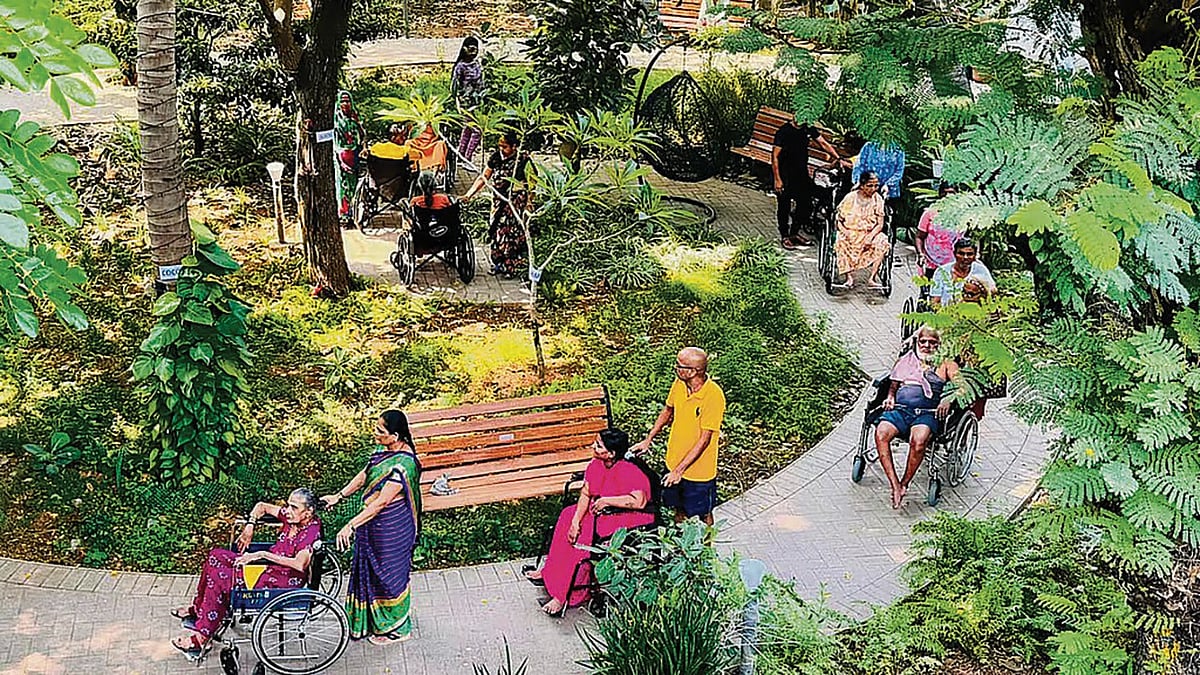
The most immediate change is the direction of care. Instead of weak or elderly patients struggling to reach a hospital, medical teams will travel to them. This involves a decentralized approach where primary health centers and local self-governments play a central role. Trained nurses and doctors will visit homes to manage symptoms, provide wound care, and offer pain relief that was previously only available in specialized wards.
The program also introduces a community layer that does not exist in traditional medical models. Local volunteers—ranging from students to retired professionals—will be trained to identify neighbors in need. These volunteers provide non-medical support, such as helping with household chores, offering companionship, or assisting families in accessing government benefits. This changes the role of the citizen from a passive observer to an active participant in the local healthcare system.
Real-World Impact
Consider a family in a rural part of Karnataka caring for a relative with advanced stage cancer. Previously, managing a sudden spike in pain or a failing feeding tube required an expensive and physically taxing trip to a distant city hospital. Under the new model, a local palliative care team can visit the home to adjust medication and train the family on basic care techniques.
This intervention does more than just reduce physical pain. It relieves the psychological burden on the caregiver, who often feels helpless and alone. By providing a professional point of contact and a community support group, the program ensures that the patient can spend their final days in a familiar environment rather than a sterile, high-cost intensive care unit.
Risks and Concerns
Replicating the Kerala model in a different state presents logistical challenges. The success of the original movement relied heavily on a specific culture of local volunteerism and social cohesion. Karnataka must find ways to foster this same spirit across diverse districts, from urban Bengaluru to remote rural areas. There is a risk that without strong local leadership, the program could become a bureaucratic exercise rather than a compassionate community effort.
Funding and medicine availability are also potential hurdles. Palliative care requires a steady supply of essential pain medications, including morphine, which are often strictly regulated. Ensuring these medicines reach local health centers without being diverted or delayed is a complex regulatory task. Additionally, the state must ensure that the program receives consistent budget allocations to maintain the training of new healthcare workers and volunteers over the long term.
Who Benefits and Who Loses
Patients and Families: These are the primary beneficiaries. They gain access to specialized care that improves quality of life and reduces the financial strain of unnecessary hospitalizations. Families receive the guidance they need to care for their loved ones without feeling abandoned by the medical system.
The Public Health System: By managing chronic and terminal patients at home, the state can reduce the overcrowding of hospital beds. This allows tertiary hospitals to focus their resources on patients who require acute curative interventions, making the entire system more efficient.
Private Healthcare Providers: Some private institutions that rely on revenue from prolonged end-of-life stays in ICUs may see a shift in their patient demographics. As more families choose home-based care for terminal cases, the demand for expensive, futile medical interventions at the end of life may decrease.
What Happens Next
The immediate next step involves the formalization of the partnership between the Karnataka health department and Pallium India. This will likely lead to the establishment of training hubs where doctors and nurses from across the state can learn the specifics of palliative medicine and home-based care. These professionals will then return to their districts to form the core of local teams.
Following the training phase, the state will need to identify pilot districts to roll out the service. During this time, local panchayats and municipal bodies will be encouraged to recruit and train community volunteers. A clear timeline for the availability of essential pain medications at the primary health center level is also expected to be part of the early implementation phase.
Final Insight
Karnataka’s move to adopt home-based palliative care is a quiet admission that the current medical obsession with "curing at all costs" has left a gap in human compassion. By looking toward the community rather than just the clinic, the state is acknowledging that the final stages of life deserve as much medical attention and social respect as the beginning. If successful, this shift could redefine the standard of public health across India, proving that a society’s strength is best measured by how it treats those it can no longer save.
Frequently Asked Questions
What exactly is the "Kerala model" of palliative care?
It is a community-based approach where medical professionals and local volunteers work together to provide care at a patient's home. It focuses on pain relief, emotional support, and social assistance for those with incurable illnesses, rather than keeping them in a hospital setting.
Will this service be free for residents of Karnataka?
As a budget-backed government initiative integrated into the public health system, the primary goal is to provide these services through government health centers. While specific fee structures are usually determined during the rollout, the model emphasizes making care accessible to those who cannot afford private treatment.
Does palliative care mean giving up on medical treatment?
No, it means shifting the goal of treatment. While curative treatment aims to stop a disease, palliative care aims to manage symptoms and improve the quality of life. It can be provided alongside curative treatments or as the primary form of care when a cure is no longer possible.