Summary
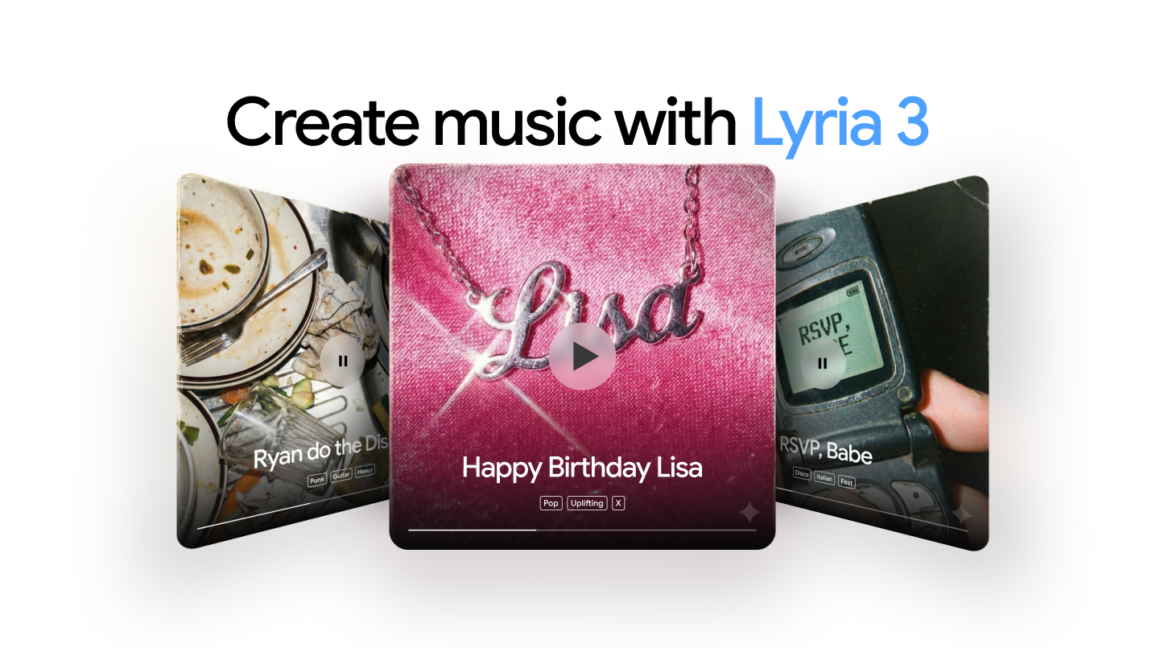
Google has officially launched its latest AI music model, Lyria 3, within the Gemini app and web interface. This update allows everyday users to generate short musical tracks by simply typing a description or uploading an image. By moving this technology from developer tools to a mainstream app, Google is making AI-generated audio accessible to millions of people. The tool focuses on speed and ease of use, creating 30-second clips that can include original lyrics and melodies.
Main Impact
The arrival of Lyria 3 in Gemini marks a major shift in how people interact with artificial intelligence. Previously, high-quality AI music tools were often restricted to experts or people with technical backgrounds. Now, anyone with a smartphone can create a custom song in seconds. This change turns Gemini from a text-based assistant into a creative partner that can handle sound. It also sets a new standard for how quickly and easily AI can turn a simple idea into a finished audio file.
Key Details
What Happened
Google DeepMind, the company’s specialized AI research group, has been working on the Lyria project for some time. While earlier versions were mostly used for testing or by software developers, Lyria 3 is designed for the general public. Users can find a new "Create music" option within the Gemini menu. Once selected, the user provides a prompt describing the style, mood, or topic they want. The AI then processes this information and produces a short audio track. One of the most interesting features is the ability to upload a photo to set the "vibe" of the music, allowing the AI to "see" what the song should sound like.
Important Numbers and Facts
The music generated by Lyria 3 is currently limited to 30 seconds in length. While this is too short for a full radio song, it is the perfect length for social media posts, personal alarms, or short advertisements. Unlike previous models that required users to write their own words, Lyria 3 can generate its own lyrics based on a vague request. The system is also significantly faster than older versions, delivering results in just a few seconds. This speed is a key part of Google’s goal to make AI feel like a real-time tool rather than a slow computer process.
Background and Context
Music has always been a difficult area for artificial intelligence. Unlike text, which follows clear rules of grammar, music requires a deep understanding of rhythm, harmony, and emotion. Google DeepMind has spent years training its models on vast amounts of audio data to help the AI understand these patterns. Before this release, Lyria was available through Vertex AI, a platform used by businesses and programmers. By bringing it to Gemini, Google is competing directly with other AI companies that are trying to lead the way in creative media. This move shows that Google wants Gemini to be a "one-stop shop" for all types of AI generation, including text, images, and now sound.
Public or Industry Reaction
The reaction to AI music is often a mix of wonder and concern. Many tech fans are excited about the ability to create custom soundtracks for their videos without needing to learn an instrument. It opens up creative doors for people who have ideas but lack musical training. However, some people in the music industry worry about what this means for human artists. There are ongoing discussions about whether AI-generated sounds can truly be called "art" and how these tools might affect the jobs of people who write jingles or background music for commercials. Google has tried to address some concerns by keeping the clips short and focusing on the "fun" aspect of the tool.
What This Means Going Forward
In the near future, we can expect to see a flood of AI-generated music across the internet. As these tools become more common, the line between human-made and computer-made content will continue to blur. Google will likely work on increasing the length of the clips beyond 30 seconds as the technology improves. There is also the possibility of better integration with other Google services, such as YouTube, where creators could use Lyria to make unique background music that doesn't trigger copyright strikes. However, this will also lead to new legal questions about who owns a song created by a robot and how human musicians should be protected.
Final Take
Lyria 3 is a powerful example of how fast AI is moving into creative fields. While a 30-second clip might seem small, the technology behind it is incredibly complex. By putting this tool into the hands of millions of Gemini users, Google is making creative expression easier than ever before. Whether this leads to a new era of digital art or simply more noise on social media remains to be seen, but the barrier to making music has officially been lowered.
Frequently Asked Questions
How do I use Lyria 3 in Gemini?
You can use it by opening the Gemini app or website and looking for the "Create music" option. You then type a description of the music you want or upload an image to guide the AI.
Can the AI write its own lyrics?
Yes, Lyria 3 can create its own lyrics based on your prompt. You do not need to provide any words yourself unless you want to.
How long are the songs created by the AI?
At this time, the music tracks are limited to 30 seconds. This makes them ideal for short clips, jingles, or social media content.