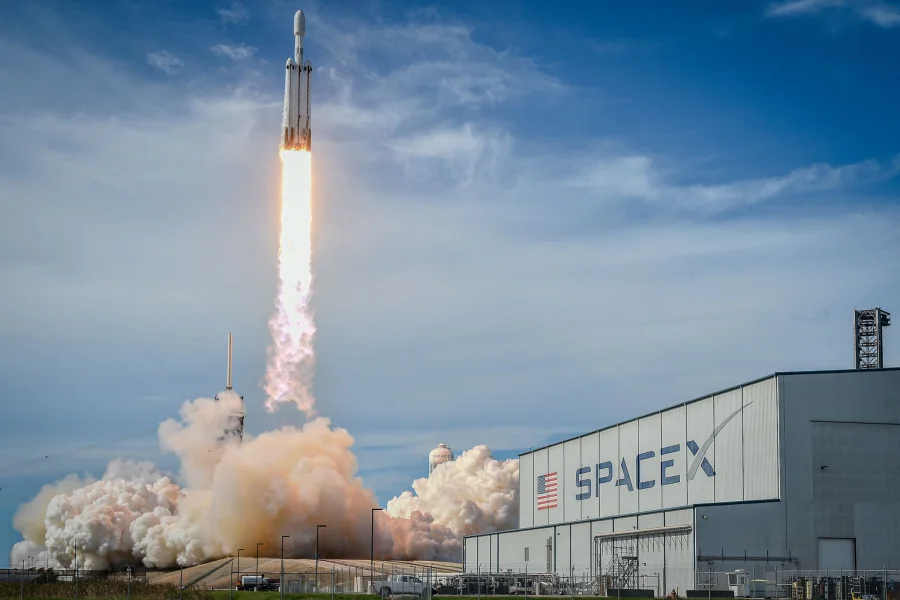
A group of former OpenAI employees, now leading a newly formed AI watchdog organization, is raising a red flag that could ripple through one of the most anticipated public offerings in recent memory. Their warning is direct: xAI’s poor safety record could seriously complicate SpaceX’s IPO, and investors deserve to know the full picture before the company goes public.
The ex-staffers, who have deep experience inside the AI industry, argue that the safety practices at Elon Musk’s xAI are not just a technical concern—they are a financial risk. As SpaceX prepares for its public debut, the watchdog group is calling for greater transparency, suggesting that hidden liabilities tied to xAI’s operations could affect investor confidence and long-term valuation.
Why This Warning Matters Right Now
SpaceX is widely seen as one of the most valuable private companies in the world, with its IPO expected to draw massive interest from institutional and retail investors alike. But the former OpenAI staffers are injecting a note of caution into the narrative. They argue that xAI’s safety record—which they describe as poor—could create regulatory, reputational, and operational risks that spill over into SpaceX’s public market debut.
For investors, this is not just a technical debate. It is a question of due diligence. If xAI’s practices are as problematic as the watchdog group claims, the fallout could include regulatory scrutiny, public backlash, and even legal challenges—all of which could weigh on SpaceX’s stock performance.
How the Warning Unfolded
The former OpenAI employees, who co-founded the new AI watchdog group, made their concerns public in a statement that has since drawn attention from media and financial analysts. They emphasized that investors deserve more information about xAI’s safety practices before SpaceX goes public, arguing that the current level of disclosure is insufficient.
The group’s credibility stems from their previous roles at OpenAI, where they were directly involved in AI safety and governance. Their transition from insiders to watchdogs gives their warning a weight that cannot be easily dismissed.
Who Is Affected and What Officials Are Saying
The primary stakeholders affected are potential SpaceX investors, who now face an additional layer of uncertainty. The warning also impacts xAI’s reputation and could influence how regulators view the company’s safety protocols.
As of now, neither SpaceX nor xAI has issued a formal response to the watchdog group’s claims. However, the silence itself is notable. In the world of high-stakes IPOs, unanswered questions can be as damaging as negative answers.
What We Know So Far — and What Remains Unclear
What we know: Former OpenAI staffers have publicly warned that xAI’s poor safety record could complicate SpaceX’s IPO. They have called for greater transparency and investor awareness.
What remains unclear: The specific details of xAI’s safety failures have not been fully disclosed. It is also unclear whether regulators or SpaceX’s underwriters are investigating these claims. The timeline for SpaceX’s IPO remains uncertain, adding to the complexity.
Risks, Concerns, and the Balanced View
The risks are clear: if xAI’s safety record is as poor as alleged, SpaceX could face regulatory hurdles, reputational damage, and investor skepticism. This could delay the IPO or reduce its valuation.
However, it is also possible that the watchdog group’s concerns are overstated or that xAI has already addressed the issues internally. Without official confirmation, investors must weigh the warning against other factors, including SpaceX’s strong track record in aerospace and Musk’s ability to navigate controversies.
Why Similar Concerns Are Growing in the AI Industry
This warning is part of a broader trend. As AI companies grow in influence and valuation, former employees and industry insiders are increasingly speaking out about safety and governance. From OpenAI to Google DeepMind, whistleblowers have raised alarms about rushed deployments, lack of oversight, and potential harms.
The pattern is clear: the AI industry’s rapid growth is outpacing its safety infrastructure. For investors, this means that due diligence must now include a deeper look at AI safety practices—not just financials.
“Investors deserve more information about xAI’s safety practices before SpaceX goes public.” — Former OpenAI staffers, co-founders of the new AI watchdog group
What Investors and Readers Should Know Now
For potential SpaceX investors, the key takeaway is to demand transparency. Ask questions about xAI’s safety record, regulatory compliance, and risk management. For the general public, this story highlights the growing intersection of AI safety and financial markets—a trend that will only intensify.
For readers following the IPO, stay tuned for official responses from SpaceX and xAI. The watchdog group’s warning may prompt further disclosures or investigations.
What Could Happen Next
The immediate future depends on how SpaceX and xAI respond. If they provide detailed information about xAI’s safety practices, investor confidence could be restored. If they remain silent or dismiss the concerns, the controversy could escalate.
Regulators may also take an interest, especially if the watchdog group provides evidence of systemic safety failures. In the worst-case scenario, the IPO could be delayed or restructured to address investor concerns.
Our Take: Why This Story Matters Beyond One Incident
This is not just about SpaceX or xAI. It is about a fundamental shift in how we evaluate companies in the AI era. Safety is no longer a niche concern—it is a core business risk. Investors, regulators, and the public must adapt to this new reality.
The former OpenAI staffers have done a service by raising the alarm. Whether their warning proves accurate or not, it forces a necessary conversation about transparency, accountability, and the true cost of AI innovation.
FAQs
Why are former OpenAI staffers warning about xAI’s safety record?
They believe that xAI’s poor safety practices could create financial and reputational risks for SpaceX’s IPO, and they want investors to have full information before making decisions.
How could xAI’s safety record affect SpaceX’s IPO?
If xAI faces regulatory scrutiny or public backlash due to safety failures, it could reduce investor confidence, delay the IPO, or lower SpaceX’s valuation.
What is the new AI watchdog group?
It is a group founded by former OpenAI employees that aims to monitor and report on AI safety practices across the industry, starting with xAI.
Should investors be worried about SpaceX’s IPO because of this warning?
Investors should be cautious and demand more transparency from SpaceX and xAI. While the warning is serious, it is not yet confirmed, and the full impact remains unclear.