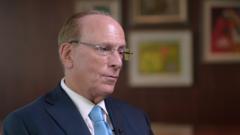
Larry Fink, CEO of BlackRock, warned that oil prices reaching $150 per barrel will cause a global recession if sustained over a long period. This price spike would force central banks to keep interest rates high, hurting consumers and businesses worldwide. Fink shared this outlook during a public discussion regarding the health of the world economy.
BlackRock chief identifies energy costs as the primary threat to growth
Larry Fink, who leads the world’s largest asset manager, stated that high oil prices have "profound implications" for every nation. He explained that when energy costs stay high, they act like a hidden tax on every person who buys food or fuel. This happens because almost every product requires oil for farming, manufacturing, or shipping.
The BlackRock Chairman noted that the global economy is not yet ready for a permanent jump in energy costs. He made these comments while speaking to investors and leaders about the risks of inflation. If oil hits $150, the cost of living would rise so fast that people would stop spending on other things.
Fink did not say oil will definitely hit this price, but he warned that the risk is real. He pointed to the fact that supply is tight and demand remains high in many parts of the world. This balance is fragile and any small disruption could send prices toward the $150 mark.
BlackRock manages over $10 trillion in assets, which means Fink’s views often influence how big banks and pension funds move their money. When he warns of a recession, it often causes investors to become more cautious with their trades. His warning serves as a signal that the era of cheap energy may be over for now.
Historical parallels between energy shocks and market crashes
The world has seen similar energy shocks lead to economic pain in the past. In 1973, an oil embargo caused prices to quadruple, leading to years of high inflation and low growth. This period showed that the global economy cannot easily adapt when the price of its main fuel source jumps suddenly.
In 2008, oil prices climbed to nearly $147 per barrel just before the global financial crisis. While the housing market caused that crash, the high cost of fuel made the situation much worse for families. High gas prices at that time left people with less money to pay their mortgages.
Fink’s current warning suggests that $150 is the "breaking point" for the modern economy. Today, the world is even more connected than it was in the 1970s, meaning a shock in one place spreads faster. A price jump now would hit emerging markets and wealthy nations at the same time.
Central banks are already struggling to bring inflation down to their 2% targets. If oil prices rise, these banks cannot cut interest rates to help the economy. Instead, they might have to raise rates even higher to stop prices from spiraling out of control.
How $150 oil prices drain household wealth and industrial margins
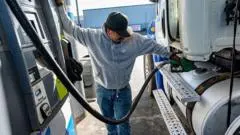
High oil prices hurt two specific groups the most: families and transport companies. For a typical family, a jump in oil prices means it costs more to fill a car and heat a home. This leaves less money for clothes, electronics, and eating out, which slows down the retail sector.
Airlines and trucking firms face immediate pressure when fuel costs rise. These companies often pass the extra cost to customers by raising ticket prices or shipping fees. When shipping fees go up, the price of every item on a store shelf also goes up.
Farmers are also hit hard because they use diesel for tractors and oil-based products for fertilizer. If it costs more to grow wheat or corn, bread and cereal prices will rise in the grocery store. This creates a cycle where people pay more for basics and have nothing left for anything else.
Manufacturing plants that run on oil or gas may have to slow down production to save money. This leads to fewer goods being available, which can cause prices to rise even further. Fink’s recession warning is based on this chain reaction that starts at the oil well and ends in the kitchen.
Immediate shifts in central bank policy and investment flows
If oil stays near $150, the following changes are expected in the financial world:
- Central banks will likely keep interest rates high for a longer time to fight energy-led inflation.
- Investors may move money out of tech stocks and into energy companies or gold.
- Governments might have to increase subsidies to help poor families pay their power bills.
- Companies will likely cut their travel budgets and look for ways to use less fuel.
These changes happen because high interest rates make it more expensive to borrow money for a house or a car. When borrowing is expensive, the whole economy slows down. This is the "recession" that Larry Fink is worried about.
The shift in investment flows means that new projects, like building factories or software, might lose funding. Money tends to flow toward "safe" assets when a recession looks likely. This lack of investment can stunt economic growth for several years.
The risk of stagflation and supply chain breakdown
The biggest fear for economists right now is "stagflation." This is a rare situation where prices keep rising, but the economy stops growing and people lose their jobs. High oil prices are the most common cause of stagflation because they push costs up while hurting demand.
Supply chains are also at risk because they rely on cheap, predictable transport. If shipping a container from Asia to Europe becomes too expensive, some trade routes may stop being profitable. This could lead to shortages of parts for cars, phones, and medical tools.
Fink noted that the "sustained" part of the price hike is what matters most. A short spike in prices is something most companies can handle. However, if oil stays at $150 for six months or a year, many businesses will go bankrupt because they cannot afford the bills.
There is also a risk that countries will start to hoard energy supplies. If nations stop trading oil freely to protect their own citizens, the global market could break down. This would make the price even more volatile and harder to predict for businesses.
Monitoring OPEC+ decisions and Middle East stability
Market analysts are now watching the OPEC+ group of oil-producing nations very closely. This group, led by Saudi Arabia and Russia, has the power to increase supply and bring prices down. So far, they have kept supply tight to keep prices at a level they find profitable.
The conflict in the Middle East is the main reason people fear oil could hit $150. If fighting spreads to areas where oil is produced or shipped, the world could lose millions of barrels of supply per day. Traders are watching the Strait of Hormuz, a narrow water path where much of the world's oil travels.
Fink’s warning is a call for leaders to find ways to stabilize these energy markets. He suggests that the world needs more certain energy supplies to avoid a crash. Without more supply, the global economy remains at the mercy of geopolitical events.
The next few months will be critical for energy traders and government planners. They will look for any signs that production is increasing or that demand is starting to fall. If demand stays high while supply stays low, the path to $150 oil becomes much shorter.
Key Numbers and Facts
The confirmed figures behind this story at a glance.
Key Fact Detail Main person or organisation Larry Fink, CEO of BlackRock Main action or decision Warning of global recession due to oil prices Date or period Current market cycle Location Global impact Amount, figure, or scale $150 per barrel Previous status Oil trading between $70 and $95 Current status High volatility and supply concerns Primary effect Higher inflation and interest rates Next confirmed step OPEC+ supply meetings and geopolitical monitoring
Why energy security now dictates global financial stability
The warning from BlackRock shows that the world economy is still tied deeply to fossil fuels despite the push for green energy. Even as countries build wind and solar farms, oil remains the primary fuel for global trade and transport. This means that a crisis in the oil market is still a crisis for the entire financial system.
Larry Fink’s message is clear: the global economy cannot grow if the cost of its most basic input is too high. Investors must now prepare for a world where energy prices stay "higher for longer," which changes how they value every company. The stability of the stock market now depends on the stability of the oil pump.
Frequently Asked Questions
Why does $150 oil cause a recession?
Oil at $150 makes everything from food to travel much more expensive, which leaves people with less money to spend on other goods. When consumer spending drops, businesses lose money and start cutting jobs. This cycle of lower spending and job losses is what creates a recession.
Who is Larry Fink and why does his opinion matter?
Larry Fink is the Chairman and CEO of BlackRock, the world's largest investment firm. His company manages more than $10 trillion in assets for pension funds, governments, and individuals. Because he oversees so much money, his warnings influence how markets behave and how leaders plan for the future.
What can governments do to stop oil prices from rising?
Governments can release oil from their emergency reserves or encourage oil-producing nations to increase their output. They can also provide tax breaks or subsidies to help citizens deal with high costs, though this does not lower the actual price of oil. In the long term, they can reduce oil demand by moving faster toward electric vehicles and renewable energy.